
Onboard Bulletin
Marine news that matters on board
New rules and their dates, PSC campaigns, flag circulars, accident lessons, security advisories and seafarer welfare — collected from IMO, class societies, flag states, PSC MoUs and investigators. No freight markets, no ship deals.
- Security
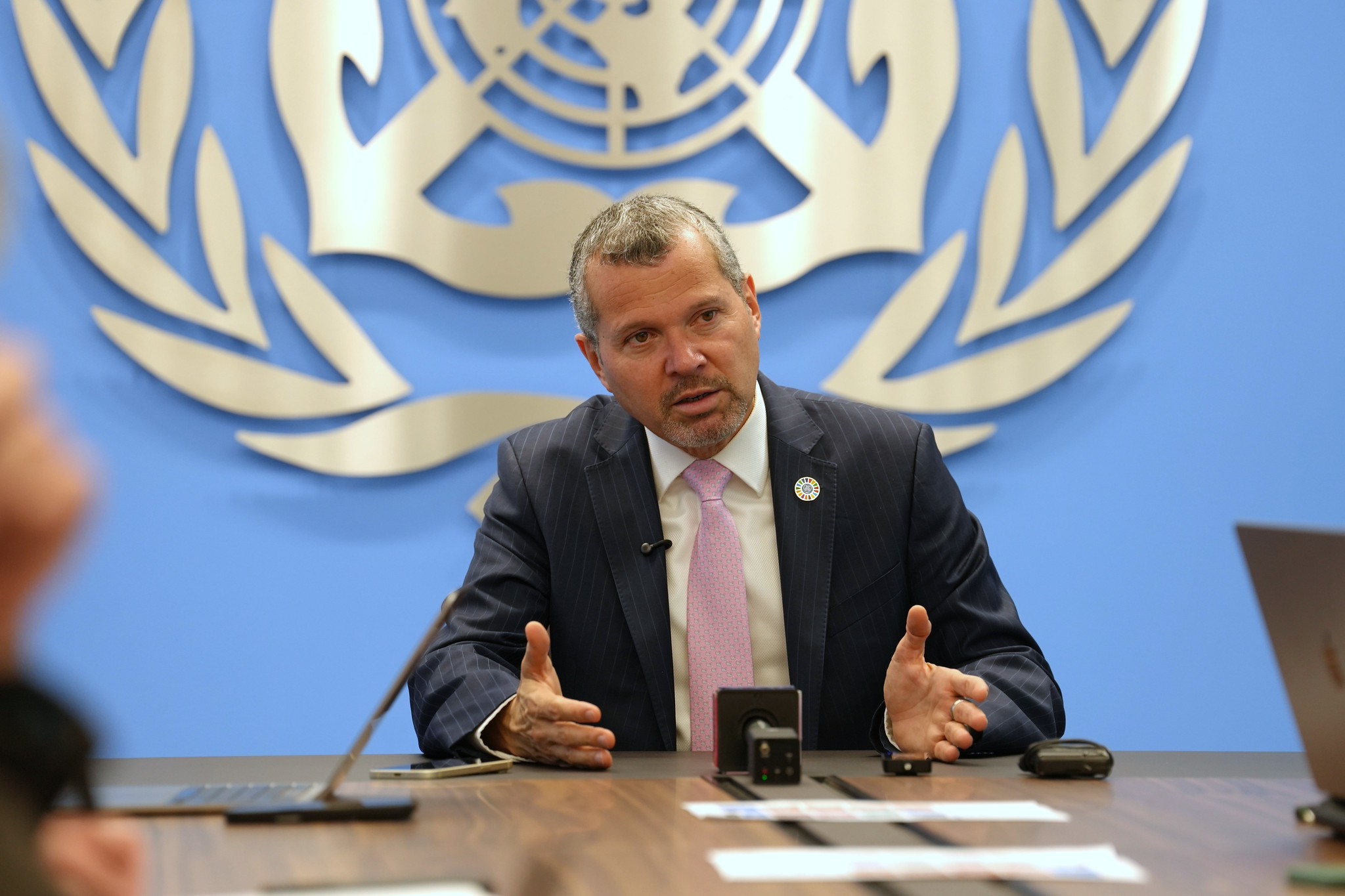
IMO Secretary-General mourns seafarers killed during rescue of hijacked ship
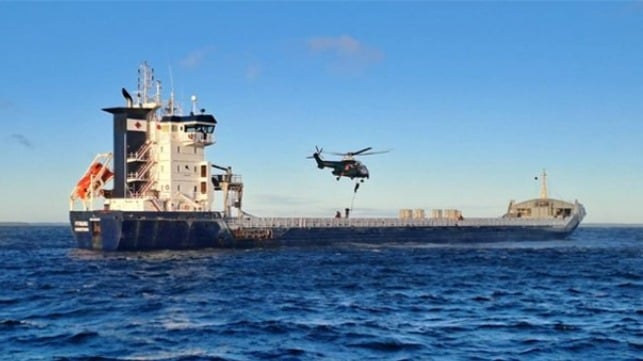
IMO Secretary-General Arsenio Dominguez has expressed condolences after five seafarers reportedly died during the operation to free the hijacked HONOUR 25 in Somali waters on 29 September. Three vessels held since April–August 2026 were released, but piracy in the Gulf of Aden region remains a live threat.
- Five crew of HONOUR 25 reportedly died and several were seriously injured during the rescue on 29 September.
- HONOUR 25, SEAMULL (SIBU 1) and EUREKA were released; they had been seized between April and August 2026.
- In total 44 seafarers were freed and their repatriation is being arranged.
- 22 seafarers remain in captivity on board ASANA.
- IMO urges ships in the region to carry out thorough security risk assessments.
- IMO calls for implementation of industry Best Management Practices and relevant IMO guidance.
- EUNAVFOR Aspides and Atalanta operations are highlighted for the Red Sea, Gulf of Aden and Western Indian Ocean.
What to do on board: Ships transiting the Gulf of Aden and Somali waters should carry out a voyage security risk assessment and apply BMP measures in full. Review piracy procedures and drills with the crew before entering the area.
- Security
IMO Council urges stronger protection of seafarers amid threats to global shipping
The IMO Council, at its 138th session in London (2–6 November 2026), reaffirmed its commitment to seafarer safety amid conflicts affecting shipping. It condemned attacks on merchant ships in the Red Sea and Black Sea and noted a rise in piracy in the Western Indian Ocean and Gulf of Aden.
- A seafarer died after an attack on M/T VELOS SAPPHIRE in the Strait of Hormuz on 5 November, bringing confirmed seafarer deaths to 25 since the Middle East conflict began.
- IMO has verified at least 130 attacks on commercial vessels in the region; thousands of seafarers are at risk, including on ships unable to leave the Persian Gulf.
- The Council condemned Houthi attacks in the Red Sea and Bab al-Mandab Strait.
- It also condemned Russian attacks on merchant ships, ports and rescue assets supporting Ukraine's maritime corridor in the Black Sea.
- 17 piracy and armed robbery incidents, attempted and actual, were recorded in the Western Indian Ocean and Gulf of Aden since the start of the year.
- The Secretary-General was asked to keep monitoring security developments and to propose further measures to prevent loss of life.
What to do on board: Ships trading in the Gulf, Red Sea, Gulf of Aden or Black Sea should follow current security advisories and review the ship security plan and voyage risk assessment. Report incidents promptly to the relevant authorities.
- Security
Tanker Burns After Strike in Strait of Hormuz
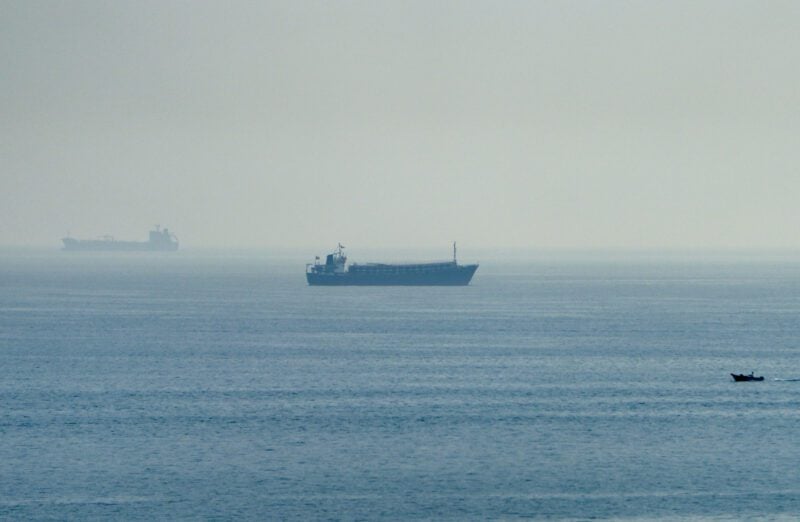
At least two tankers were attacked in the Strait of Hormuz on Saturday, one of which caught fire. UKMTO reports a constant, active Iranian presence in the strait, with attacks, attempted attacks and harassment of merchant ships. US forces also disabled the Iran-linked bulker Huda for allegedly breaching the US naval blockade of Iranian ports.
- The Navig8 Messi, an oil products tanker, was tentatively identified as the ship on fire about eight NM off Khasab, Oman.
- Crew were evacuated, no injuries reported, and firefighting tugs were on scene.
- A second tanker reported to UKMTO that it was hit by a projectile on an outbound transit; all crew safe, no environmental impact.
- UKMTO reports IRGC UAV overflight, targeted surveillance and occasional VHF hailing.
- Traffic is well below normal, at single to low-double-digit transits per day.
- US CENTCOM disabled the bulker Huda after its crew allegedly ignored repeated warnings; the crew was told to abandon the targeted spaces.
What to do on board: Masters should follow UKMTO advisories, review the ship security plan and emergency procedures before transit, and comply with VHF calls and warnings from naval forces.
- Security
CENTCOM Mirrors Naval Blockade With "Iron Gate" for Iran's Borders
US Central Command has set up Task Force Iron Gate to complement the US naval blockade of Iranian ships and ports. It coordinates military and civil agencies against the movement of weapons, dual-use technology and sanctioned goods across Iran's land borders and the Caspian Sea. The blockade is reported to shut out about 80% of Iran's seaborne trade, mainly through Bandar Abbas.
- Task Force Iron Gate was announced on 7 November by CENTCOM Commander Admiral Cooper, and works from the Tampa headquarters.
- The naval blockade is described as almost fully effective, apart from a few LPG tankers.
- Merchant ships between Russia and Iran in the Caspian have stopped transmitting AIS around Bandar Anzali, Nowshahr, Amirabad, Makhachkala, Olya and Astrakhan.
- Only East-West traffic from Baku to Kazakh and Turkmen ports still shows AIS signals in the Caspian.
- Rail freight into Iran via Turkmenistan is up by as much as 40%, and trucks queue about five days at Bazargan.
What to do on board: Ships trading to Iran or the Caspian should expect heightened scrutiny of cargo, sanctions compliance and paperwork. Masters should watch for AIS-dark traffic and keep a proper lookout in the area.
- Security
Iran Suggests Blasts Are Not US Attacks As Both Sides Report Ships Hit
Reuters reports, via gCaptain, that ships are still being hit in and near the Strait of Hormuz. Iran says two tankers hit mines on an "unauthorized route" and a third caught fire, while the US says it disabled a vessel in the Gulf of Oman that was trying to break its blockade of Iran. UKMTO reported a separate incident involving a bulk carrier.
- US Central Command says its aircraft fired at the stern of a St. Kitts-flagged cargo vessel in the Gulf of Oman, disabling it as it tried to pass the US blockade of Iran.
- Iran's Revolutionary Guards Navy says two oil tankers caught fire after hitting mines on an unauthorised route in the Strait of Hormuz; a third tanker reportedly had an explosion and fire.
- UKMTO reported an incident involving a bulk carrier and military forces about 18 NM east of Khor Fakkan, damage unknown.
- Reuters could not confirm any of the reported strikes.
- US forces have blockaded movements to and from Iranian ports since April, and Iran has been hitting vessels in the strait since the conflict began in February.
- Explosions were also heard on Qeshm Island; Iranian media suggest they were Iranian military activity rather than US strikes.
What to do on board: Ships transiting or planning to call near Hormuz and the Gulf of Oman should follow the official routes, monitor UKMTO advisories and review the security plan and risk assessment. Avoid any route not authorised by the coastal authorities, since mines have been reported.
- Security
US Forces Disable First Cargo Ship in a Month Sailing from Iranian Port
U.S. Central Command reported that on 7 November U.S. forces fired on and disabled the bulk carrier Huda in the Gulf of Oman. The U.S. says the ship ignored repeated warnings and tried to leave after calling at an Iranian port, breaching the blockade of Iranian ports. UKMTO places the vessel about 18 NM east of Khor Fakkan, UAE.
- Huda is a 24,993 dwt bulker built in 1999, St. Kitts and Nevis flag, under Turkish management, and does not appear to be sanctioned.
- CENTCOM says it told the crew to abandon the targeted spaces before a U.S. aircraft hit the stern with precision munitions.
- The crew's status was unknown, according to UKMTO.
- This is the first reported disabling since 10 October, when the bulker Ocean Molica was struck in the Gulf of Oman.
- CENTCOM says 147 commercial vessels have been redirected since the blockade restarted in mid-July, and five vessels disabled.
- UKMTO recorded six confirmed attacks in the region in early November and five in late October, and reports 133 vessels damaged and 82 casualties this year.
- Iran reports daily that vessels have struck mines in the Strait of Hormuz.
What to do on board: Ships trading near the Strait of Hormuz and the Gulf of Oman should follow UKMTO and flag guidance and respond to any naval calls. Brief the crew on emergency procedures and keep to the company security plan.
- Security
US Military Says It Disabled Cargo Vessel In Gulf Of Oman
US Central Command reported that a US military aircraft fired on and disabled a St. Kitts-flagged cargo vessel in the Gulf of Oman on 7 November. The ship had visited an Iranian port and tried to leave regional waters, breaking the US naval blockade of Iran according to CENTCOM.
- A US aircraft fired precision munitions at the stern of the vessel after US forces directed the crew to abandon the targeted spaces.
- CENTCOM says the crew ignored repeated warnings and tried several times to violate the blockade.
- The vessel was St. Kitts-flagged and had called at an Iranian port before departing.
- The US military also announced a task force against Iranian movement of weapons and sanctioned material by land borders and the Caspian Sea.
- Earlier reports described tankers hit or on fire in the Strait of Hormuz, and the US has threatened a new offensive against Iran.
What to do on board: Ships trading in or near the Gulf of Oman and Strait of Hormuz should follow military warnings and VHF calls closely and report to UKMTO. Masters should review risk assessments and company guidance on calls at Iranian ports and on the blockade.
Photo: The Maritime Executive SecurityIMO Council Discusses Key Issues and Backs Second Term for Dominguez
The IMO Council held its 138th session in London and backed a second term for Secretary-General Arsenio Dominguez. It also condemned attacks on shipping in the Gulf and called for stronger protection of seafarers. It noted a recent rise in piracy around the Gulf of Aden.
- The IMO has confirmed at least 130 attacks on commercial shipping since the start of the war in the Persian Gulf.
- A new death brings the confirmed count to 25 seafarers killed.
- The Council called for vital shipping lanes to stay open, safe and secure.
- The IMO noted 17 attempted and actual piracy incidents around the Gulf of Aden since the start of the year; global piracy is declining.
- MEPC meets from November 30 to work on decarbonization, alternative fuels and a funding mechanism.
- The Council approved completing the GISIS upgrade and an e-Learning platform with an initial £2 million.
What to do on board: Ships trading in the Gulf and Gulf of Aden should follow current security advisories and review their ship security plan and piracy procedures.
Photo: The Maritime Executive Lessons learnedTurkish Coast Guard Evacuates Crew to Shore from Grounded Ship
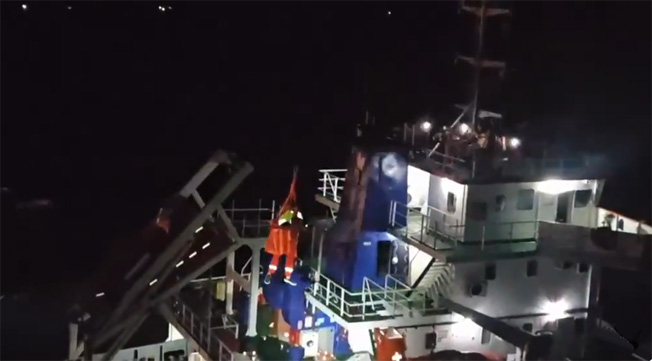
The Turkish Coast Guard evacuated all 13 crew of the small cargo ship BYB Othello by breeches buoy after she grounded near the northern entrance to the Bosphorus on 6 November. Severe weather ruled out a sea-based rescue. The ship, St. Kitts and Nevis flag, lost her main engine and was driven ashore.
- BYB Othello (5,000 dwt, 97 m, built 2008) called for help around 0240 local time after a main engine failure.
- High seas and severe weather drove her ashore near the Istanbul Anadolu Lighthouse; she was bound for Ukraine.
- Rescue vessel Bayrak-1 and tug Kurtarma-11 were sent, but the weather was too severe for a sea rescue.
- Breeches buoy was rigged around 0600; all 13 crew were taken ashore in about half an hour.
- Over 17 months the ship had six PSC inspections with 90 deficiencies in total.
- The last inspection, about 10 days earlier, found 17 deficiencies: hull and structure, liferaft stowage and fire safety.
What to do on board: Make sure main engine reliability and maintenance are sound before heavy-weather passages, and that liferafts are properly stowed and fire safety equipment is in order. Be ready for a shore-based rescue such as a breeches buoy in severe weather.
Photo: gCaptain SecuritySeafarer Killed in Suspected Missile Attack on Tanker in Gulf
A seafarer died in an explosion believed to be a missile attack on the Marshall Islands-flagged oil products tanker MT Velos Sapphire in the Gulf on Thursday. The manager, Velos Tankers, confirmed the death on Friday. The ship was sailing unladen towards Bahrain when it was hit.
- The explosion hit MT Velos Sapphire, sailing unladen towards Bahrain.
- One seafarer was first reported missing and later found fatally injured on board.
- No other crew were injured and the crew put out the fire caused by the explosion.
- No pollution was reported.
- The vessel was taken to Khalifa Bin Salman Port in Bahrain; hull damage is still being assessed.
- An investigation will be launched.
What to do on board: Ships trading in the Gulf should review security plans, emergency and firefighting drills and muster procedures, and follow current UKMTO advisories.
Photo: MarineLink SecuritySeafarer Killed After Gulf Oil Tanker Struck by Missile
A seafarer was killed on 5 November 2026 in an explosion believed to be caused by a missile attack on the Marshall Islands-flagged oil products tanker MT Velos Sapphire in the Gulf. The ship was sailing unladen towards Bahrain. Her manager, Velos Tankers, reported the death on Friday.
- The explosion is believed to have been caused by a missile; the seafarer was first reported missing and later found fatally injured on board.
- No other crew were hurt, and the crew put out the fire caused by the explosion.
- No pollution was reported.
- The tanker was taken to Bahrain's Khalifa Bin Salman Port; hull damage is still being assessed.
- An investigation will be launched.
What to do on board: Ships trading in the Gulf should review their security risk assessment and emergency and firefighting preparedness, and follow UKMTO advisories.
Photo: The Maritime Executive SecurityIsraeli Cruise Ship Receives False Bomb Threat Over VHF
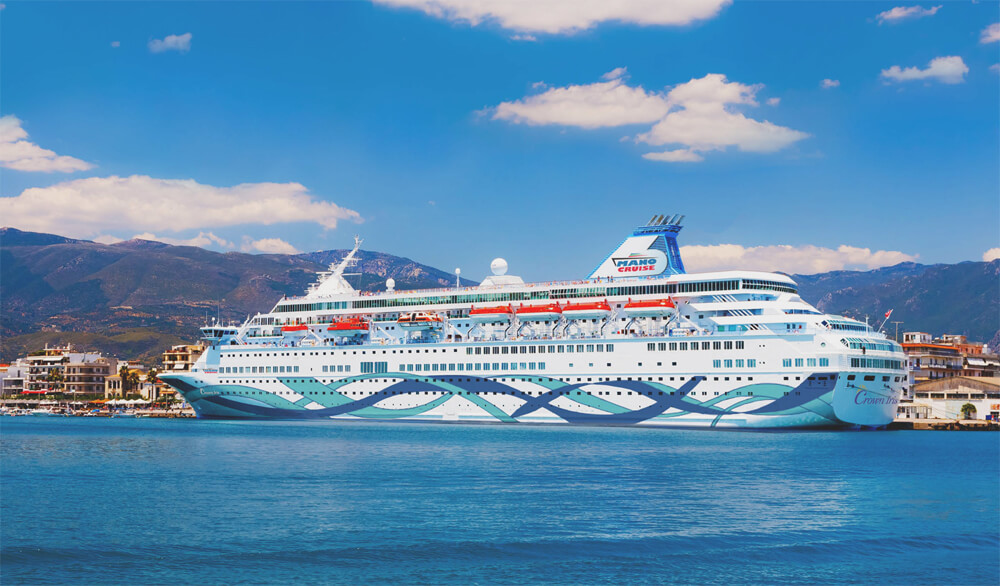
The Israeli-owned cruise ship Crown Iris received a false bomb threat over VHF radio at Ermoupoli, Syros, in early November 2026. The Hellenic Coast Guard helped search the ship, and nothing was found. The ship has faced protests in Greek ports before.
- The threat came over VHF on 3 November, before departure from Ermoupoli, Syros.
- The Hellenic Coast Guard assisted with a full sweep of the ship.
- Dinner service was interrupted and all 940 passengers were disembarked during the check.
- A canine unit searched above the waterline and a private diver checked the hull.
- No anomalies were found; the passengers re-embarked and the ship sailed for Haifa.
- Police had banned a planned pier demonstration as a threat to public order.
- Earlier calls, in July 2025, saw protests turn unruly and the ship leave early.
What to do on board: Make sure bomb threat procedures and the ship security plan are known, and that VHF threats are logged and reported to the port authority and coast guard at once. Expect heightened security and possible protests in ports where the ship's flag or ownership is politically sensitive.
Photo: The Maritime Executive SecurityOne Seafarer Reported Killed in Strike on a Tanker off Qatar
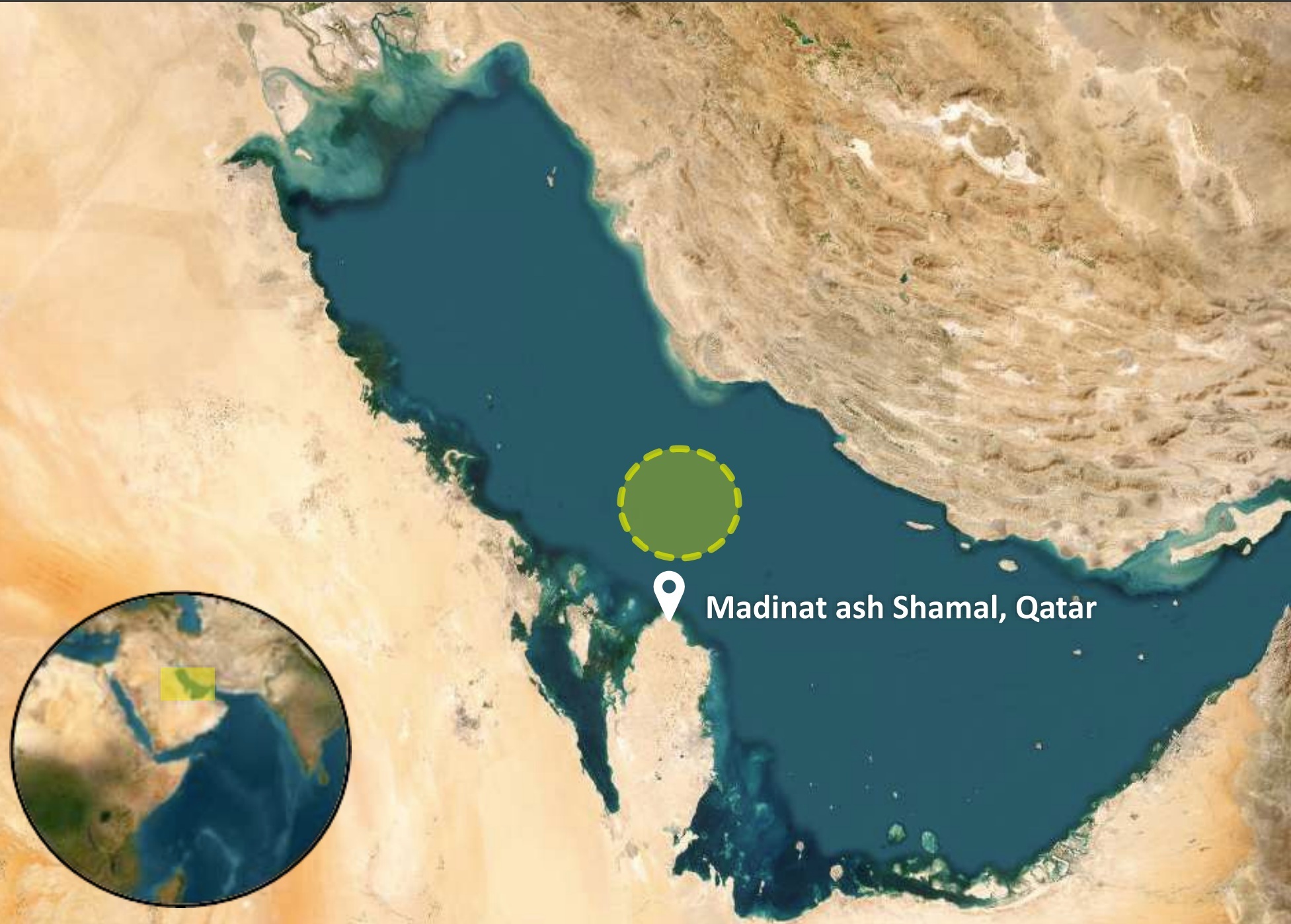
UKMTO reported a tanker hit by two projectiles overnight about 50 nautical miles north of the Qatari peninsula in the central Arabian Gulf, far west of the Strait of Hormuz. Open-source analysts identified the ship as the Greek-operated product tanker Velos Sapphire, and several sources report one crewmember was killed. The strike location is outside the area covered by the American security umbrella around the Musandam Peninsula.
- UKMTO: tanker hit by two projectiles about 50 NM north of Qatar, hundreds of miles west of Hormuz.
- Analysts name the ship as Velos Sapphire, a 2007-built product tanker of about 75,000 dwt; UKMTO did not give the name.
- Its AIS has been dark since 2313 UTC on Wednesday, matching the reported incident time.
- Multiple sources report one crewmember died; the operator has been contacted for comment.
- The attack is read as an Iranian effort to hit targets outside the US-protected area near Musandam.
- Iran's 'Persian Gulf Strait Authority' list names about 240 ships as priority targets; Velos Sapphire is not on it, but fleetmate Velos Amber is.
What to do on board: Ships trading in the Arabian Gulf should treat the whole central Gulf as high risk, not just the Hormuz approaches. Review the security plan and citadel and muster procedures, and follow UKMTO alerts and company guidance.
Photo: The Maritime Executive Lessons learnedFinland Jails Captain and Boatswain for “Intentional” Anchor Dragging
The Helsinki District Court has convicted the captain and boatswain of the cargo ship Fitburg of aggravated vandalism after the ship sailed for hours with its anchor down in the Gulf of Finland in December 2025 and damaged two undersea cables. It is the first conviction of its kind and the verdict can be appealed.
- Captain Andrei Maksimenko got 3 years 6 months and boatswain Vusal Majidov 2 years 10 months; both were jailed immediately.
- They must pay €1.9 million for repairs and inspections; the captain pays €85,000 more because he was in command.
- The court held they must have known the anchor was down, although no order to lower it was proven; the captain approved the passage with it lowered.
- Drag marks ran 130 km; the anchor damaged two Finland–Estonia cables and crossed seven other cables and a gas pipeline.
- The ship kept sailing about two hours after Finnish authorities ordered the anchor raised.
- The court rejected the jurisdiction defence, ruling the effects were in Finland and it was not a 'maritime matter'.
- The anchor locking mechanism was found to be in working order.
What to do on board: Before leaving port and crossing waters with undersea infrastructure, confirm anchors are fully secured and keep a check on this. Masters and deck crew carry personal criminal liability for a dragging anchor, so act at once on any order from coastal authorities to raise it.
- Security
Australian Authorities Bust Shipment of Meth Dissolved in Coconut Water
Australian authorities charged a Vietnamese national over a container declared as coconut water that held 800 litres mixed with methamphetamine, found by Australian Border Force in December 2025. Methamphetamine is water-soluble, so it is often smuggled dissolved to hide it.
- The container was inspected on arrival in Australia in December 2025 and the liquid tested positive for methamphetamine.
- A 47-year-old Vietnamese woman was arrested after a raid linked to the delivery address.
- In 2022 Hong Kong seized 1.8 tonnes of liquid meth hidden in coconut water cartons, also bound for Australia.
- Smugglers have also used marine engines, auto parts, marble slabs and industrial equipment as cover.
What to do on board: Crew should stay alert to tampering with containers and report irregular seals, access or cargo discrepancies to the Master and company. Follow the ship's drug-smuggling prevention procedures on trades to Australia.
- Security
Stowaway prevention: best practice
Skuld has issued stowaway prevention guidance for ships calling at West African ports, after two recent cases where seven stowaways each stayed undetected despite shore searches with trained dogs. In both cases they emerged days after sailing. Skuld stresses that the vessel's own physical search is the key defence.
- In August 2026 seven stowaways, who boarded at Tema, were found in a crane house several days after departure; the ship had also called at San Pedro.
- Two months later seven Ghanaian stowaways boarded at Tema via the gangway and hid near a cargo hold access ladder.
- Both groups were in spaces that a properly planned search should have covered.
- Gangway control is weak during busy cargo operations with many stevedores and contractors.
- Search before leaving the berth and again after pilot disembarkation, allowing about three to four hours.
- A negative dog search is not proof that nobody is on board; use guards and dogs only as an extra layer.
- Keep records of zones, teams, times and limitations, and notify Skuld if stowaways are found.
What to do on board: Before arrival, prepare a vessel-specific search plan with assigned zones, keep strict gangway control, and give the search enough time. Check crane houses, hold access ladders, rudder trunks, stores and under ropes or nets, and report any areas that could not be inspected.
Photo: The Maritime Executive SecurityUS Sanctions False-Flag Network Run from India Used for Iranian Shipping
The US Treasury has sanctioned a network based in Chandigarh, India, that it says ran fake flag registries and certification bodies for sanctioned tankers carrying Iranian oil. OFAC also issued an alert to the maritime industry on the sanctions risk of dealing with falsely flagged vessels.
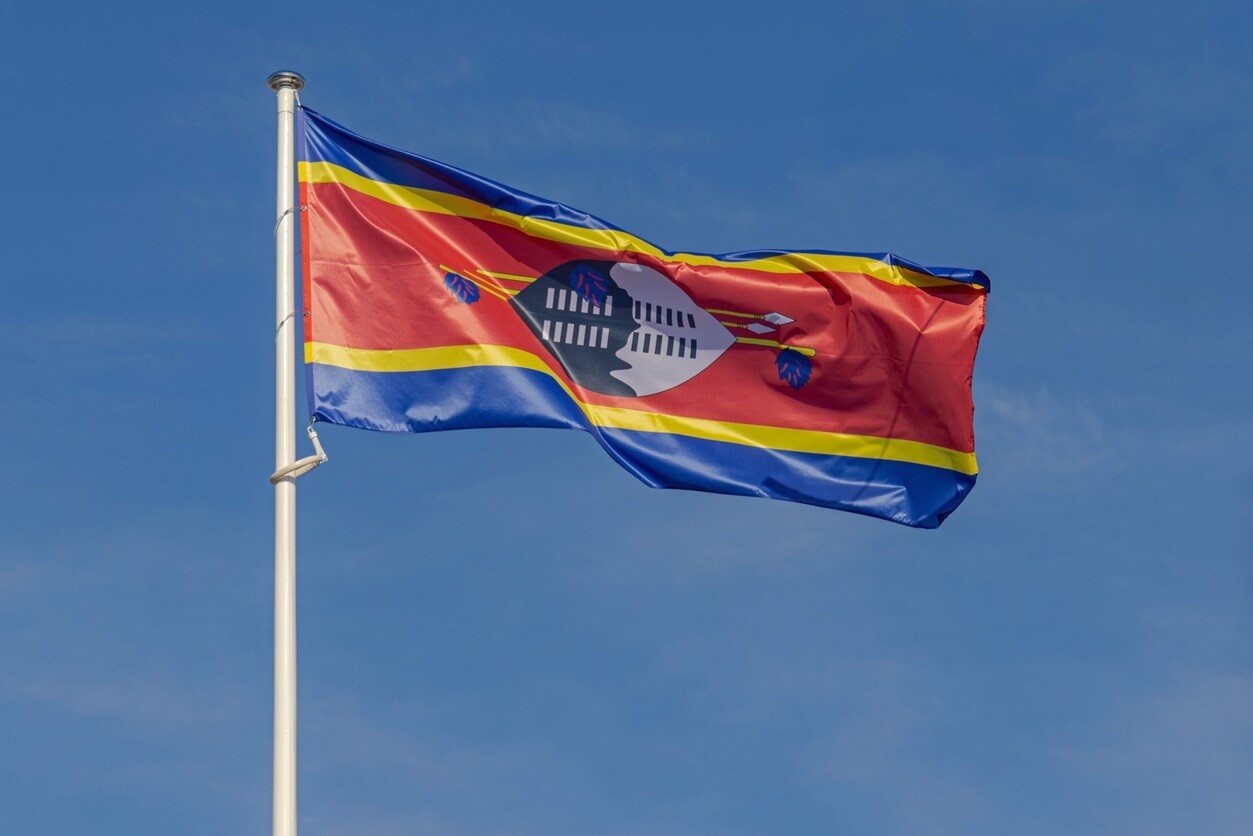
- Sanctioned: Suniel Kumar Sharma, Jaspreet Preeti Shahid, their company Aryavart Ship Management Private Limited and the Eswatini Maritime Affairs and International Ship Registry.
- The Eswatini registry is run from Singapore and was set up in 2023; Eswatini authorities have publicly disavowed it.
- The network allegedly created fake flag and certification bodies under names from Aruba to Guyana, Mali, Mozambique, Malawi, Sint Maarten and Timor-Leste.
- The fake sites offer flagging, seafarer training and certification, and vessel classification on behalf of states that have not authorised them.
- The activity is part of Treasury's 'Operation Economic Outcast', begun in August 2026.
- OFAC's alert urges industry to screen against such actors and the vessels they support.
What to do on board: Check that your ship's flag registry, class society and crew certificates come from a genuine, recognised authority. Report any doubtful flag or certification offers to the company.
Photo: The Maritime Executive Lessons learnedSeafarer Experience Must Shape Maritime Technology
The Nautical Institute, supported by Lloyd's Register Foundation, has published initial findings of its STEER Project on how technology affects seafarers. The report draws on academic studies, industry publications, 471 casualty reports and direct engagement with seafarers. It finds that technology often shifts risk rather than removing it.
- Of 471 casualty cases from 2005 to 2025, 43.1% involved at least one human-factor cause linked to equipment and workplace conditions.
- Among 35 cases where technology was the direct cause, safety management failures were present in 89% and inadequate resourcing in 77%.
- Technology-related casualties were more often linked to systems being misused, misunderstood or ignored than to broken hardware.
- Seafarers' concerns centre on poorly supported systems, inadequate familiarisation, inconsistent interfaces and excessive alarms.
- Automation can raise monitoring workload and cognitive load, and connectivity can blur the line between work and rest.
- Recommendations: vessel-specific familiarisation, attention to alarm fatigue and repeated workarounds, and consideration of workload and competence when introducing new systems.
What to do on board: Make sure new equipment gets proper ship-specific familiarisation and realistic training. Report excessive alarms and repeated workarounds through the safety management system.
Photo: The Maritime Executive SecurityIran Claims Strikes on Multiple Tankers, Emboldened After US Elections
The Maritime Executive reports that Iran's IRGC Navy claims daily strikes and mine hits on tankers in the Strait of Hormuz, most of them unverified. UKMTO confirmed only one attack, on a tanker hit by two projectiles in the engine room off Oman.
- IRGC Navy claimed four tankers struck mines in the southern channel near Oman; two were said to be ablaze. No independent confirmation.
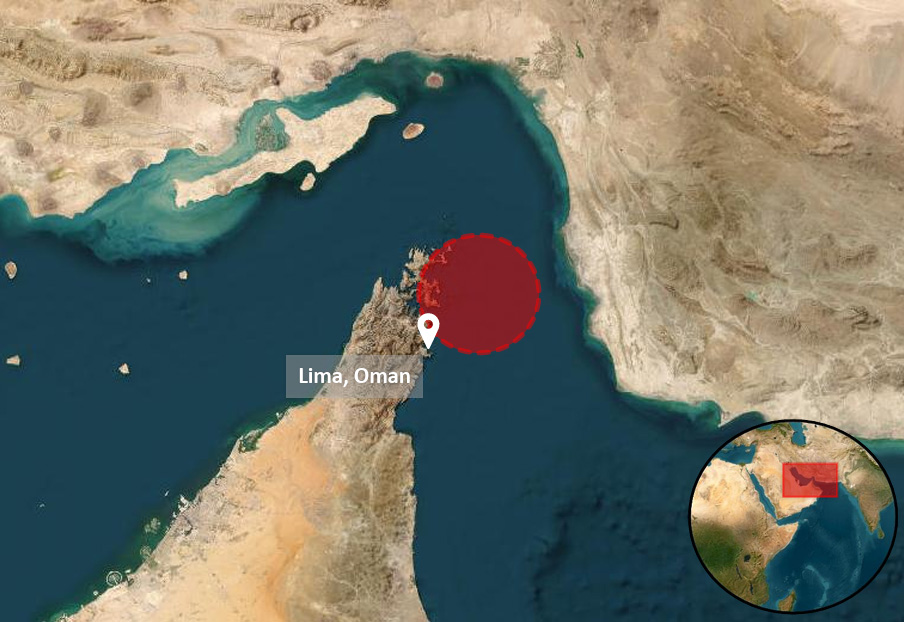
- UKMTO received details of one attack on 3 November: a tanker hit by two unknown projectiles in the engine room about 14 NM northeast of Lima, Oman.
- Vanguard Tech identified the vessel as the Barbados-registered tanker Grit, 298,555 dwt; its AIS had reportedly been off for over a month.
- Iran's so-called Persian Gulf Strait Authority doubled the number of vessels on its non-compliant list.
- Lloyd's List Intelligence reported a strike on the Panama-flagged bulker Era S. on 2 November while attempting to transit.
- CENTCOM says the shipping channels have been cleared of mines. Iran says it will exempt vessels from China, India, Iraq and Qatar.
- Tankers have reportedly been delaying or not reporting incidents.
What to do on board: Ships planning a Hormuz transit should follow UKMTO advisories closely, do a thorough risk assessment and keep to recommended routes. Report any incident promptly.
Photo: The Maritime Executive Lessons learnedTanker Damaged by Russian Attack Breaks Towline Prompting SAR Operation
The drone-damaged product tanker Mentor broke free of its tow in a Black Sea storm, triggering a SAR operation off Romania. One tug was heavily damaged and the abandoned tanker is drifting toward Bulgarian waters.
- Mentor (13,000 dwt, Antigua and Barbuda flag) was hit by a Shahed-style drone off Odesa on 24 September; the Ukrainian master was killed.
- Two Turkish tugs, Ramazan Bey and Ayaz Bey, were towing it toward Turkey when the towline parted in heavy seas.
- The line was restored once, but Ayaz Bey hit the tanker and was heavily damaged.
- Three tug crew were taken off by the Dutch-flagged tug Odin; four others refused evacuation.
- Heavy wind and sea prevented an aerial rescue.
- The tanker carries 11,000 tons of sunflower oil, has no crew and is drifting near Shabla, Bulgaria.
What to do on board: Keep a safe distance from the drifting Mentor and follow Romanian and Bulgarian navigational warnings. In heavy weather, towing needs margin for line failure and close-quarters contact.


Headlines link to the original publishers. Summaries and translations are written automatically and may contain mistakes — always check the original source and your flag, class and company instructions before acting.